Cermet Carbide: Bridging the Gap Between Ceramics and Metals
Cermet carbide represents a pivotal innovation in material science, seamlessly combining the strengths of ceramics and metals to create a versatile composite. Renowned for its excellent wear resistance, toughness, and thermal stability, cermet carbide has revolutionized various industries. This article dives into its unique composition, impressive applications, benefits over conventional materials, and advancements in manufacturing techniques, offering a clear understanding of why it’s a preferred choice for cutting tools and wear-resistant components.
Table of content:
Understanding the Composition and Properties of Cermet Carbides
Key Applications in Cutting Tools and Wear-Resistant Components
Benefits of Cermet Carbides Over Conventional Materials
Recent Advancements in Cermet Carbide Manufacturing Techniques
Understanding the Composition and Properties of Cermet Carbides
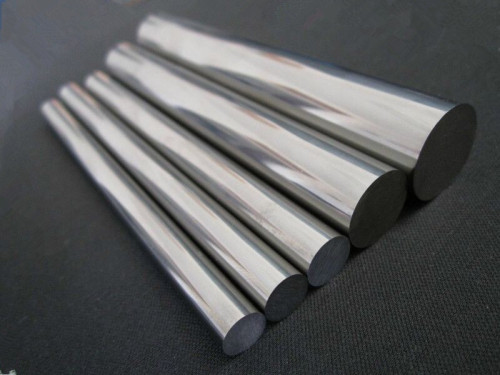
Cermet carbides are advanced composites made by combining ceramic particles, often titanium nitride (TiN) or titanium carbide (TiC), with metal binders like cobalt or nickel. This interaction creates a material that exhibits the hardness and high-temperature resistance of ceramics while maintaining the toughness and ductility of metals. Components like titanium carbide rods and cemented carbide rods are integral to their structure, offering enhanced durability and functionality. Their low friction coefficient, excellent surface finish, and remarkable thermal conductivity make them indispensable in applications requiring high precision and resilience. Additionally, the lightweight properties of cermet carbide reduce energy usage, making it more efficient for various industrial applications.
Key Applications in Cutting Tools and Wear-Resistant Components
Cermet carbide is highly valued in producing cutting tools, milling inserts, and tungsten carbide rods used in high-speed machining. These tools handle difficult-to-machine materials like hardened steel and cast iron with precision and efficiency. Their extended tool life and versatility reduce downtime in manufacturing processes, directly translating into cost savings. Beyond cutting tools, cermet inserts and bars are extensively employed in wear-resistant applications, such as molds and dies for manufacturing products like electronic components and automotive parts. The superior resistance to abrasion and wear ensures reliable performance in demanding environments. From fine finishing tasks like CNC cutting tools to heavy-duty drilling operations, cermet carbide excels in a wide range of industrial uses.
Benefits of Cermet Carbides Over Conventional Materials
What sets cermet carbide apart is its unique ability to outperform traditional materials like tungsten carbide rods and standard coated carbide inserts. The primary benefits include higher cutting speeds, reduced tool wear, and superior surface finishes. These characteristics eliminate the need for secondary operations, streamlining production and saving costs. The material’s thermal stability allows it to perform well even in elevated temperatures, where conventional materials might degrade. Additionally, the reduced cratering and adhesion properties enable longer tool life, minimizing interruptions and ensuring precise output. Its eco-friendlier nature compared to pure metals is another appealing advantage, contributing to sustainable production practices.
Recent Advancements in Cermet Carbide Manufacturing Techniques
The field of cermet carbide manufacturing has seen remarkable advancements, paving the way for even greater efficiency and customization. Modern techniques now achieve ultra-fine grain sizes, enhancing the material’s toughness and wear resistance. Additionally, the introduction of coating technologies, such as chemical vapor deposition (CVD) and physical vapor deposition (PVD), has further optimized the performance of cermet inserts and bars. These coatings improve hardness and boost overall functionality, particularly in high-speed cutting environments. Manufacturers are also adopting innovative ways to produce titanium carbide rods and other cermet components, offering precise tailoring to meet specific industrial needs. The growing focus on automation and AI-driven manufacturing systems continues to refine production processes, ensuring better quality control and reduced costs.
Cermet carbide brings together the best of ceramics and metals, making it a highly reliable and efficient choice for industries worldwide. Its applications in cutting tools and wear-resistant components, along with its superior performance over conventional materials, underscore its relevance in modern manufacturing. The continuous advancements in its manufacturing techniques ensure that it remains a competitive and sustainable option for the future. By investing in cermet carbide, industries stand to gain significant value and efficiency in their operations.