Cemented Carbide Rods: The Backbone of Modern Machining
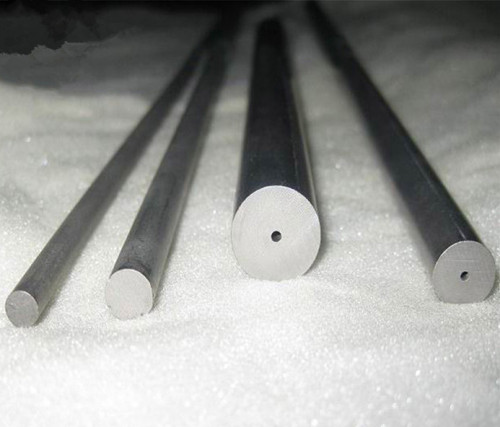
Cemented carbide rods are often hailed as the unsung heroes of modern machining, underpinning some of the most advanced manufacturing processes across industries. From precision tooling to industrial applications, these rods deliver the kind of performance that businesses rely on to stay competitive in today’s fast-paced market. This blog dives into the integral role of cemented carbide rods in machining, the properties that make them stand out, and the industries that increasingly depend on their unparalleled capabilities
Table of content:
The Role of Cemented Carbide Rods in High-Speed Machining
Material Properties Contributing to Durability and Performance
Industries Relying Heavily on Cemented Carbide Rods
Maintenance and Longevity Considerations for End-Users
The Role of Cemented Carbide Rods in High-Speed Machining
When it comes to high-speed machining operations, cemented carbide rods are indispensable. Their ability to withstand extreme levels of stress and maintain sharpness even under intense machining conditions makes them a preferred choice for cutting tools and end mills. These rods are often made from tungsten carbide, a composite material blended with binders like cobalt, which enhances their durability and resilience. This construction enables them to achieve precision cutting at high speeds while maintaining consistency, significantly boosting the efficiency of machining processes. Tungsten carbide rods are especially valued in industries where high-speed milling, drilling, and turning operations are regular practices. Their toughness and wear resistance allow machinists to handle materials like hardened steel and other alloys without losing cutting performance. This makes them ideal for optimal productivity, even under demanding manufacturing conditions.
Material Properties Contributing to Durability and Performance
One of the key reasons cemented carbide rods are so widely used is their exceptional material properties. Cemented carbide combines the hardness of ceramic materials with the toughness of metals, making it highly resistant to wear, corrosion, and high temperatures. Its primary component, tungsten carbide, achieves a remarkable balance between hardness and rigidity while maintaining excellent heat resistance. Coupled with a metallic binder like cobalt or nickel, these rods become even more versatile and durable. Another standout variant, the titanium carbide rod, offers additional benefits like higher cutting speeds and reduced tool wear. Titanium carbide-based cermet carbide rods are gaining popularity due to their ability to achieve superior surface finishes. More importantly, their unique properties support applications requiring extreme precision and speed, such as in aerospace or medical tooling. These materials not only extend tool life but also reduce downtime, translating to significant cost savings for businesses.
Industries Relying Heavily on Cemented Carbide Rods
The versatility of cemented carbide rods has led to their adoption in a wide range of industries. Aerospace manufacturing relies on these rods for machining lightweight yet durable components like titanium alloys, as their precision handling of difficult-to-machine materials makes them ideal for critical aviation parts. In the automotive industry, tungsten carbide rods enable high-speed machining for crafting intricate engine components, ensuring durability and faster production cycles. The tool and die industry depends on cemented carbide rods for creating precision dies and molds, thanks to their wear resistance and hardness, which minimize frequent replacements. In medical manufacturing, titanium carbide rods are critical for producing surgical tools and medical implants, delivering exceptional results with biocompatible materials and smooth finishes. Additionally, in the energy and mining industries, cemented carbide rods are essential for drilling tools and wear-resistant parts, ensuring long-lasting functionality even in harsh, abrasive conditions.
Maintenance and Longevity Considerations for End-Users
To ensure the maximum efficiency and longevity of cemented carbide rods, proper maintenance is essential. Regular inspections should be scheduled to check for signs of wear or damage, such as chipping or dullness, particularly in high-stress applications. Store rods in a clean, dry environment to prevent corrosion, and avoid stacking or applying unnecessary pressure that could cause cracking or deformation. Adhere to recommended speed, feed rate, and tool geometry specifications to avoid overloading, as using tools like titanium carbide rods at inappropriate cutting speeds can result in premature wear or breakage. Proper lubrication and cooling systems should also be utilized during machining processes to minimize heat accumulation and reduce friction, especially in high-speed operations where excessive heat can lead to tool failure. Investing in quality cemented carbide rods and maintaining them properly ensures smoother operations and long-term cost savings by reducing tool replacement frequency.
Cemented carbide rods are more than just cutting tools; they are the backbone of modern machining. Their unmatched durability, exceptional performance in high-speed applications, and ability to handle diverse materials make them invaluable across industries. Whether you’re in aerospace, automotive, or medical manufacturing, investing in high-quality tungsten carbide rods or titanium carbide rods could take your machining processes to the next level. For businesses that frequently rely on machining excellence, understanding the capabilities of cemented carbide rods is a game-changer. Explore the various options available and align them with your operational needs to unlock new possibilities for precision and efficiency.