The Role of Tungsten Carbide Rods in Precision Engineering
Table of contents:
An Overview of Tungsten Carbide Rods: Composition and Properties
Utilizing Tungsten Carbide Rods for Enhanced Cutting Tool Performance
Advantages of Tungsten Carbide Rods in High-Temperature Applications
Future Trends: Innovations in Tungsten Carbide Rod Manufacturing
An Overview of Tungsten Carbide Rods: Composition and Properties
Tungsten carbide rods are manufactured by combining tungsten carbide particles with a binding material, typically cobalt or nickel. This blend is subjected to high temperatures and pressures, resulting in a dense and robust material. Tungsten carbide rods are known for their outstanding hardness, usually ranging from 85 to 94 HRA, making them suitable for applications requiring extreme wear resistance. Additionally, their high thermal conductivity and superior strength-to-weight ratio contribute to their popularity in high-performance engineering applications, including cutting tools, drilling equipment, and industrial machinery.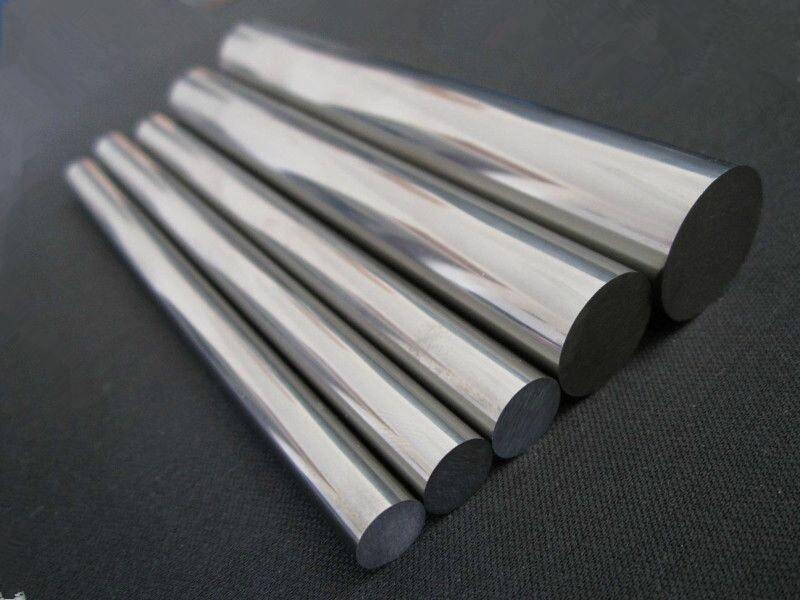
Utilizing Tungsten Carbide Rods for Enhanced Cutting Tool Performance
Tungsten carbide rods have revolutionized the cutting tool industry by offering unmatched strength and durability compared to traditional materials. Their hardness allows them to maintain cutting-edge sharpness under tough conditions, reducing tool wear and extending the life of the equipment. This makes them an ideal choice for machining hard metals, alloys, and composites. They also enable high-speed machining, leading to enhanced productivity and precision. Industries like aerospace, automotive, and die and mold manufacturing rely heavily on tungsten carbide rods to achieve superior performance and finish quality in their operations.
Advantages of Tungsten Carbide Rods in High-Temperature Applications
Tungsten carbide rods excel in high-temperature environments, making them indispensable for demanding applications such as drilling in geothermal wells, aerospace components, and high-speed milling. Their ability to retain hardness and structural stability under extreme heat ensures minimized thermal deformation and consistent performance. This is particularly advantageous in industries where precision and reliability are paramount. Furthermore, these rods feature excellent resistance to corrosion and chemical wear, ensuring their longevity and reduced maintenance in aggressive industrial settings.
Future Trends: Innovations in Tungsten Carbide Rod Manufacturing
The future of tungsten carbide rods lies in continuous innovation and development. Advancements in material science and manufacturing techniques are paving the way for enhanced performance and sustainability. The integration of titanium carbide cermet rods as an alternative to traditional tungsten carbide alloys provides new possibilities in cutting tool applications. Titanium carbide rod offer improved wear resistance and the ability to operate at higher cutting speeds, making them a valuable addition to the portfolio of modern engineering tools. Furthermore, the adoption of eco-friendly and cost-effective production methods is driving the growth of tungsten carbide technologies, ensuring their relevance in future precision engineering needs.
In conclusion, advancements in material science and manufacturing processes are reshaping the landscape of precision engineering. The integration of innovative materials like titanium carbide and the continued refinement of tungsten carbide technologies are addressing the industry's demands for efficiency, durability, and sustainability. By leveraging these developments, manufacturers can optimize performance and adapt to evolving challenges, ensuring that precision tools remain indispensable across various industrial applications.